
How to Choose Houseplants That Suit Your Home’s Lighting
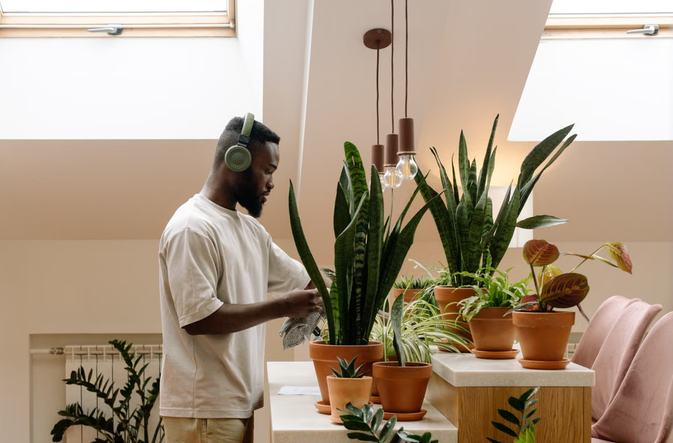
You bring home a gorgeous plant, give it a cute pot, and place it beside the sofa. Two weeks later, its leaves look sad enough to deserve their own dramatic television series. What went wrong? Lighting could be the culprit. Choosing houseplants that match your home’s natural light makes plant care easier, reduces frustration, and helps your indoor greenery flourish without turning your living room into a greenhouse experiment.
Figure Out How Much Light Your Rooms Receive
Before buying a plant, observe how sunlight moves through your home. A bright window may receive direct sunshine for several hours, while another room stays illuminated by reflected light. Watch the space at different times of day because morning sunshine behaves differently from intense afternoon rays. Your eyes can adjust to dim conditions, but plants depend on available light for photosynthesis. Window direction also matters. In the Northern Hemisphere, south-facing windows generally receive strong light, while north-facing windows tend to offer gentler illumination. In the Southern Hemisphere, including Indonesia, north-facing windows often receive more direct sunshine. Nearby buildings, curtains, balconies, and trees can change the picture, so judge the actual conditions instead of relying on window direction alone.
Choose Plants That Enjoy Bright, Direct Sunlight
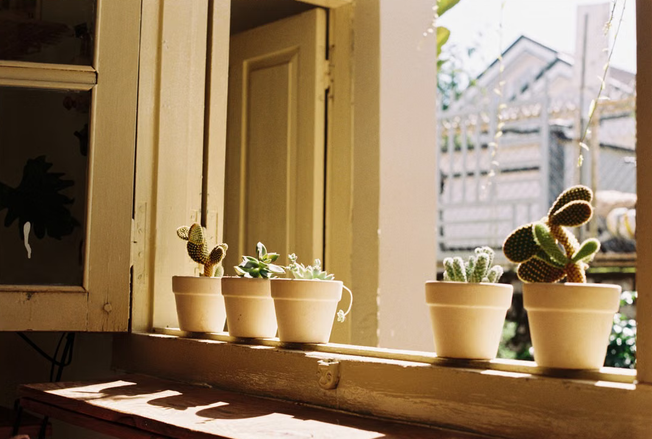
Some plants love a sunny spot like a beachgoer loves a holiday. Succulents and cacti generally need plenty of light, and many thrive near bright windows with several hours of direct sunshine. If your home has a sunny balcony door or an unobstructed window, these plants may be excellent candidates. However, intense sunlight through glass can scorch leaves, especially if a plant has spent weeks in a dim nursery. Acclimate sun-loving plants gradually rather than exposing them to strong sunshine immediately. Start with shorter periods of direct light, then increase exposure as the plant adjusts. Rotate the pot occasionally if growth leans heavily toward the window. A little observation can prevent crispy leaves and the heartbreak of watching your miniature desert garden surrender.
Pick Greenery for Medium and Low Light
Rooms with bright, indirect light offer plenty of options. Place a spider plant, pothos, or peace lily near a window where sunlight is filtered by curtains or reflected off nearby surfaces. These plants can suit living rooms, bedrooms, and home offices without demanding constant direct sunshine. Check each plant’s specific needs because even popular indoor varieties differ in their tolerance for brighter or dimmer conditions. What about that gloomy hallway? Snake plants and ZZ plants tolerate lower light better than many houseplants, making them useful choices for darker corners. Still, low light does mean no light. Growth may slow, and watering needs often decrease because the soil dries more slowly. If a space has almost no natural light, consider a suitable grow light instead of expecting a plant to survive on good intentions alone.
Match Plant Care to Your Daily Routine
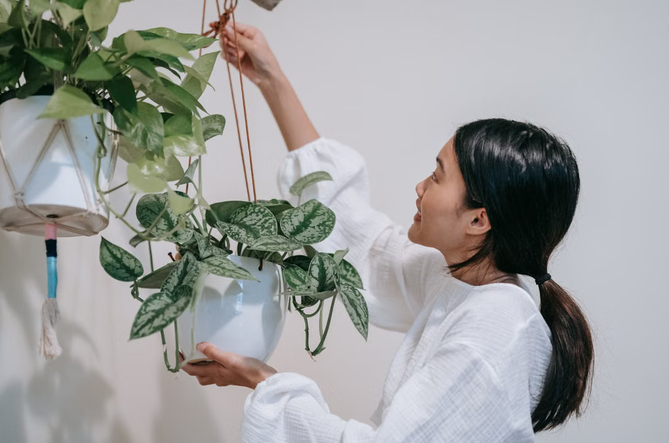
Lighting is only part of the plant-care equation. Your schedule, watering habits, room temperature, and available space also influence which plants will thrive. If you frequently forget to water, drought-tolerant options such as snake plants may suit you better than thirsty varieties. Choose plants you can realistically care for rather than adopting an entire jungle because one social media photo looked spectacular. Pay attention to how your plants respond after bringing them home. Pale leaves, stretched stems, and leaning growth may indicate insufficient light, while bleached or scorched patches can suggest excessive direct sunshine. Change one condition at a time and observe the results. This makes it easier to identify the problem instead of moving every pot around the house like you’re hosting botanical musical chairs.
Bottom Line: Let the Light Guide Your Choices
Successful indoor gardening starts with your home, not the plant shop display. Study your windows, identify sunny and shaded areas, and select greenery suited to those conditions. Bright spaces can support sun-loving varieties, while indirect light works well for many classic houseplants. Darker corners need tolerant species or supplemental lighting to support healthy growth. You also don’t need expensive equipment to get started. A few minutes of observation, sensible plant choices, and adjustments based on leaf condition can make a real difference. Start with one or two plants that fit your space, then expand as your confidence grows. Give your greenery the light it needs, and your home can enjoy a fresh touch of nature without the botanical drama.…