Preventing Storm Damage: Tree Maintenance Tips Every Homeowner Should Know
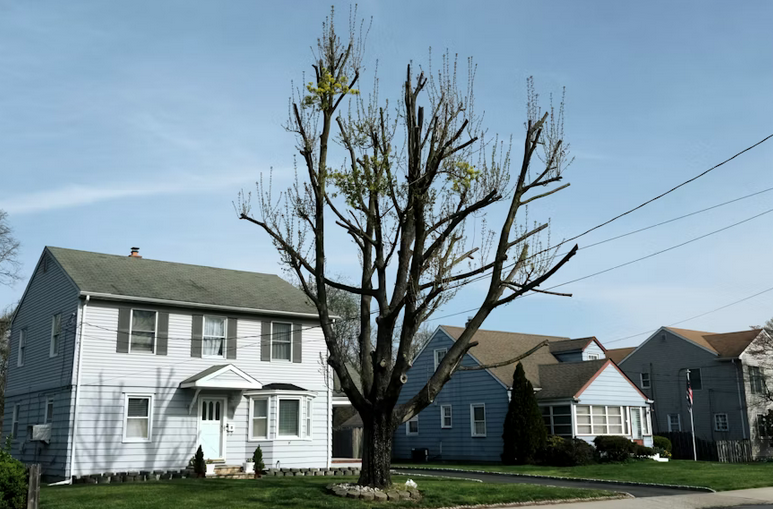
Keeping your home safe during storm season often comes down to one thing people forget: tree upkeep. A quick look at your yard can reveal risks you’d miss on a busy day. Visit Wayne’s Tree Service if you need fast, skilled help before the weather turns ugly. A small issue can grow into a headache, so early action goes a long way.
Tree Inspection Before a Storm Hits
Tree maintenance isn’t glamorous, but it’s cheaper than repairing a smashed roof. The first step is checking for cracked limbs. A branch hanging awkwardly may break the moment heavy winds roll in. Some homeowners ignore this because the yard “looks fine,” but that’s like pretending a pot won’t boil if you don’t watch it. A visual check can also help identify hollow trunks. This is a sign the tree might fall without much warning. Even healthy-looking trees hide internal decay. I once heard a story about a neighbor who thought his giant oak was solid, until he watched it tip over like a flimsy lawn ornament. A brief assessment could’ve saved him thousands.
Why Overgrown Branches Can Become a Threat
Branches dangling over your roof act like a welcome mat for storm damage. Strong winds cause them to whip around and slam into shingles. That can lead to leaks, mold, and repairs that make your wallet cry. It’s smart to trim branches before they turn into swinging fists during a storm. Branches near power lines are even more problematic. They can spark outages or create dangerous situations for your household. Many homeowners try to handle this themselves, but that’s a job better left to trained pros. One slip and you’re having a conversation with an electrician instead of enjoying a quiet afternoon.
Pruning, Maintenance, and Year-Round Care

Pruning serves a real purpose. It lets trees grow strong and steady. It also removes dead parts that storms love to tear away. Keeping trees trimmed reduces the chances of debris smashing into windows or cars. Year-round care keeps trees resilient. A tree maintained seasonally stands a better chance during rough weather. Think of it like a workout routine for your yard. Consistency pays off, even if each step seems small. Trees that receive steady attention rarely surprise homeowners with sudden, dramatic failures.
Soil, Roots, and Why They Matter More Than You Think
Storm damage doesn’t always come from above. Weak soil can cause entire trees to uproot. Soft or loose ground is a clue that a tree’s roots aren’t holding well. Heavy rain makes this worse. A tree leaning even slightly is a warning sign you shouldn’t ignore. Roots growing too close to your home can create a slow-moving disaster. They can push into foundations, break sidewalks, or block drains. These issues build up quietly. By the time you spot the effects, the repair bill may sting like a bee you never saw coming. Regular checks help you avoid all that.
Calling in Experts Before Weather Turns Rough
While homeowners can handle minor tasks, licensed specialists see things most people miss. They can spot hidden decay, root problems, or structural issues in minutes. Their guidance helps prevent property damage that hits unexpectedly. Some storms are stronger than expected, and having expert input gives you peace of mind. They help you make informed decisions rather than rushed, last-minute calls. Even simple adjustments they suggest can make a huge difference in safety. Think of it as adding a shield to your home before the clouds gather.…